Boost your brand with top content creation ideas

Small businesses face an overwhelming number of content creation options, making it difficult to know which strategies will genuinely engage audiences and drive results. Without a clear framework, you risk wasting time and budget on content that doesn’t resonate with your target market. This article provides a structured approach to evaluating and selecting content creation ideas backed by research and industry best practices. You’ll discover five innovative strategies tailored for small business resources, compare their benefits and considerations, and learn how to match the right content types to your specific business goals and audience needs.
Table of Contents
Key Takeaways
Point | Details |
Quality over quantity | Quality trumps quantity by focusing on 2 to 4 substantial pieces each month built on topic clusters and detailed briefs. |
Audience driven planning | Evaluation should map content to audience intent and the customer journey stages, ensuring every piece serves a clear purpose toward conversion. |
Owned channels focus | Prioritise owned channels such as SEO friendly blogs and email newsletters to maintain audience control and reduce reliance on algorithm changes. |
Short form video impact | Short form video delivers high ROI with modest production resources, supported by research showing a 49 percent return. |
Localised content advantage | Localised content tailored to regional audiences boosts engagement and reduces marketing spend. |
How to evaluate content creation ideas for your small business
Choosing the right content creation approach requires a systematic evaluation framework rather than following trends blindly. Start by recognising that quality trumps quantity, with research showing small businesses achieve better results producing 2-4 substantial pieces monthly using topic cluster models and detailed content briefs. This approach allows you to invest proper time in research, writing, and optimisation rather than churning out mediocre content.
Your evaluation framework should centre on documented planning that maps directly to audience intent and your ideal customer profile. Before selecting any content creation idea, ask whether it addresses specific questions or problems your target audience actively searches for online. A content marketing strategy guide helps you align content topics with customer journey stages, ensuring each piece serves a clear purpose in moving prospects towards conversion.
Distribution channels play a critical role in content effectiveness. Prioritise owned channels like SEO-optimised blogs and email newsletters where you control the audience relationship and don’t depend on algorithm changes. Owned channels provide sustainable traffic growth and direct communication with subscribers who’ve already expressed interest in your expertise.
Resource constraints matter significantly for small businesses. Evaluate each content idea against your available budget, team skills, and time capacity. A video series might deliver excellent engagement but requires equipment, editing software, and production time you may not have. Conversely, written blog posts leverage existing writing skills and need minimal technical investment.
Pro Tip: Create a simple scoring matrix rating each content idea on four factors: audience relevance (1-5), resource feasibility (1-5), expected ROI (1-5), and alignment with business goals (1-5). Ideas scoring 16 or higher warrant testing.
Measurable goals must underpin your content selection. Define specific metrics like email subscriber growth, organic traffic increases, or lead generation targets. Content ideas should connect directly to these outcomes, allowing you to track performance and refine your approach based on data rather than assumptions.
Five innovative content creation ideas for small businesses
Short-form video content represents one of the highest-impact strategies available today. Platforms like Instagram Reels, TikTok, and YouTube Shorts enable quick storytelling that captures attention in seconds. Research confirms short-form video delivers 49% ROI whilst requiring relatively modest production resources. You can film professional-looking videos using just a smartphone and natural lighting, making this accessible even with tight budgets. Focus on educational content, behind-the-scenes glimpses, or quick tips that showcase your expertise whilst entertaining viewers. The video content role in small business growth continues expanding as platforms prioritise video in their algorithms.

Localised content tailored to regional audiences dramatically improves engagement whilst reducing marketing spend. Irish SMEs demonstrate this power, achieving 34% higher engagement with 41% less spend through localised approaches. Create content addressing regional concerns, local events, community interests, and area-specific problems your business solves. Use local terminology, reference nearby landmarks, and highlight customer stories from your region. This specificity helps you stand out from generic competitors and builds stronger community connections.
Interactive content transforms passive readers into active participants, significantly boosting engagement metrics. Polls, quizzes, surveys, calculators, and assessments invite audience involvement whilst providing valuable data about preferences and needs. A roofing company might offer a “roof replacement cost calculator” that delivers instant estimates whilst capturing leads. Interactive elements increase time on page, social shares, and conversion rates because people enjoy personalised experiences that feel tailored to their situation.
AI-assisted content generation tools enhance creativity and efficiency without replacing human judgement. With 67% adoption among marketers, AI tools help brainstorm topics, draft outlines, research keywords, and even generate initial content drafts. The key lies in using AI to augment your expertise rather than replace it entirely. You provide strategic direction, brand voice, and quality control whilst AI handles time-consuming research and formatting tasks. This combination lets small teams produce more content without sacrificing authenticity.
Topic cluster blogs organise content around central themes, creating comprehensive resources that establish authority. Instead of random blog posts, you build content hubs with pillar pages covering broad topics and cluster content addressing specific subtopics. A marketing consultant might create a pillar page about “digital marketing for small businesses” linked to cluster posts on SEO, social media, email marketing, and content strategy. This structure improves SEO by demonstrating topical expertise whilst helping readers find related information easily. Explore content marketing examples to see how successful businesses implement topic clusters.
Comparing content creation ideas: benefits and considerations
Content Type | ROI Potential | Production Effort | Best For | Key Consideration |
Short-form video | High (49% ROI) | Moderate | Quick engagement, social reach | Requires comfort on camera |
Localised content | Very High | Low to Moderate | Community connection, regional SEO | Needs local market knowledge |
Interactive content | High | Moderate to High | Lead generation, engagement | Technical setup required |
AI-assisted content | Moderate to High | Low | Scaling output, research efficiency | Must maintain brand voice |
Topic cluster blogs | Very High | High | Long-term SEO, authority building | Requires sustained commitment |
Understanding the financial returns helps prioritise content investments. Content marketing budgets of £2,000-£5,000 monthly yield measurable results within 4-6 months, with cost per lead ranging from £2.41-£3.53 compared to £172 for paid search. This dramatic difference makes content creation one of the most cost-effective lead generation methods available. Short-form video and localised content typically deliver fastest returns, whilst topic cluster blogs require longer timeframes but build sustainable organic traffic.
Effort and resource requirements vary significantly across content types. Interactive content demands technical skills or software subscriptions but can be repurposed extensively once created. A single calculator or quiz generates leads for months or years. Short-form videos require consistent production but individual pieces need minimal time investment. Topic cluster blogs demand substantial upfront planning and writing but leverage existing skills most small businesses already possess.
Audience type and distribution channels influence content effectiveness. B2B audiences often prefer in-depth written content and case studies, whilst B2C consumers engage more with visual and interactive formats. Consider where your audience spends time online. LinkedIn users expect professional articles, Instagram users want visual stories, and email subscribers appreciate detailed guides. Match content format to platform expectations for maximum impact.
Pro Tip: Don’t choose just one content type. The most successful small businesses combine complementary approaches like topic cluster blogs for SEO with short-form videos for social media, creating multiple touchpoints that reinforce brand messaging across channels.
The balance between AI assistance and human creativity requires careful consideration. AI excels at research, data analysis, and generating options but lacks the nuanced understanding of your brand voice and customer relationships. Use AI to handle repetitive tasks whilst you focus on strategic decisions, storytelling, and relationship building. This hybrid approach maximises efficiency without sacrificing authenticity.
Measurement capabilities differ across content types. Blog traffic, video views, and email open rates provide clear metrics, whilst interactive content offers rich data about user preferences and behaviours. Establish tracking systems before launching content initiatives so you can compare performance objectively. Content marketing drives significantly more leads when properly measured and optimised.
Which content creation ideas suit your business best?
Analyse your audience behaviour patterns. Review analytics to understand where your target customers spend time online and what content formats they engage with most. If your Google Analytics shows blog posts driving conversions, prioritise written content. If social media generates most enquiries, focus on video and visual content. Let data guide format selection rather than personal preferences.
Assess your budget realistically. Effective strategies involve documented plans with audience ICP definition and intent-mapped calendars distributed across owned channels. Calculate not just creation costs but also distribution and promotion expenses. Starting with lower-cost options like localised blog content or AI-assisted writing allows you to generate revenue that funds more resource-intensive formats later.
Leverage existing team strengths. If someone on your team enjoys being on camera, short-form video becomes immediately more feasible. Strong writers should focus on topic cluster blogs. Technical team members can build interactive tools. Working with natural talents produces better quality content faster than forcing uncomfortable formats.
Start with one format and master it. Spreading resources across multiple content types dilutes impact and prevents you from developing real expertise. Choose the format best aligned with your audience, budget, and skills, then commit to it for at least three months. Consistent execution in one area outperforms sporadic efforts across many.
Test and measure religiously. Implement tracking from day one so you know what works. Set specific metrics for each content piece: target views, engagement rate, leads generated, or revenue attributed. Review performance monthly and adjust your approach based on results. Content marketing requires experimentation and iteration, not perfect execution from the start.
Plan for sustainability. Choose content creation approaches you can maintain consistently over months and years, not just during initial enthusiasm. A digital marketing plan helps ensure long-term consistency. Sporadic content confuses audiences and wastes previous efforts, whilst regular publishing builds momentum and compounds results over time.
Boost your content creation with expert coaching
Selecting and implementing the right content creation ideas can feel overwhelming when you’re juggling all aspects of running a small business. Professional coaching personalises these strategies to your specific situation, helping you avoid costly mistakes and accelerate results.
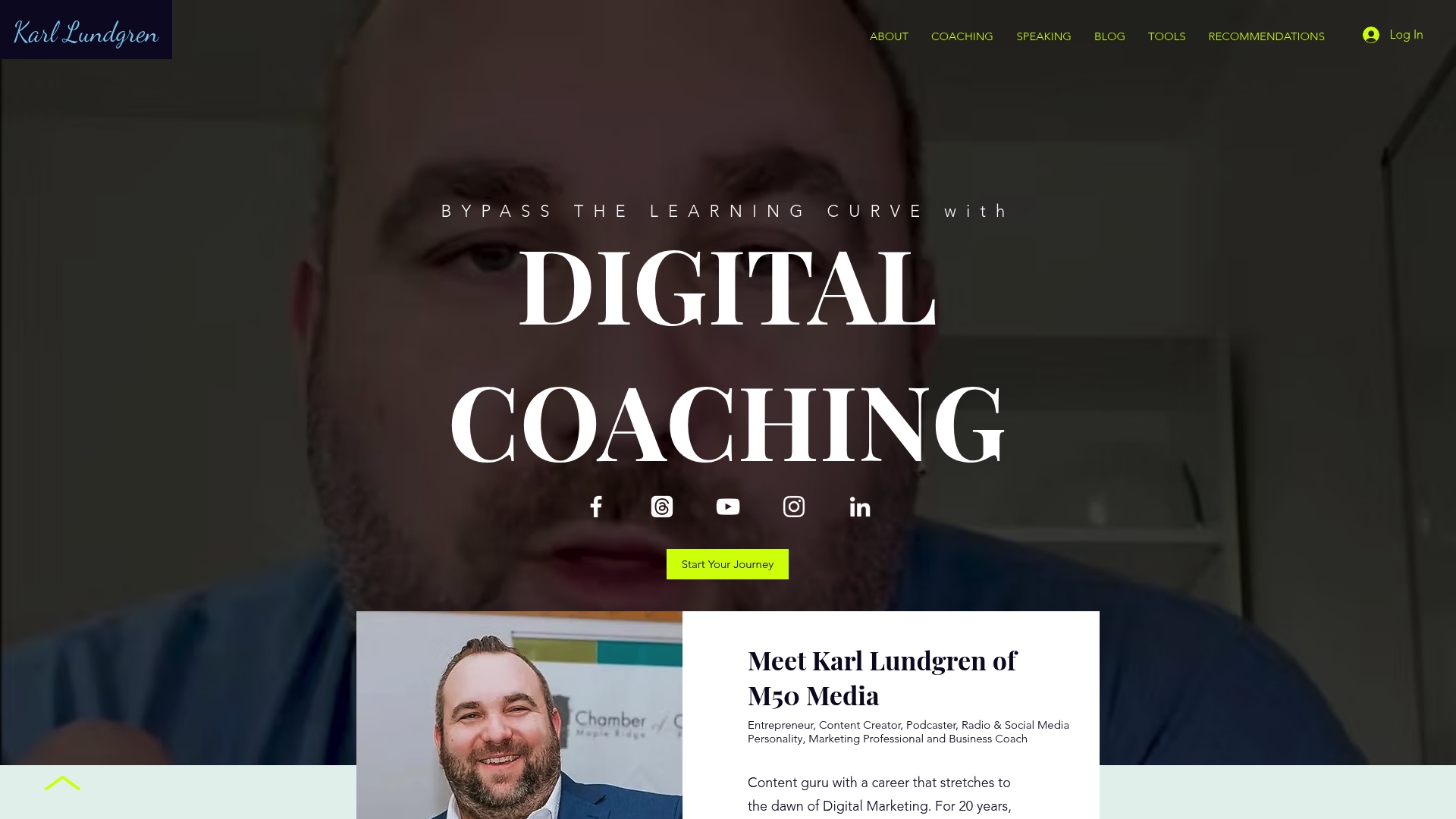
M50 Media offers tailored business coaching and marketing coaching designed specifically for small businesses looking to expand their digital marketing footprint. Expert guidance helps you implement best practice strategies efficiently whilst maintaining focus on revenue-generating activities. If you’re facing urgent marketing challenges or need quick direction, book a free Marketing SOS call to get immediate expert input on your most pressing concerns. For ongoing support implementing content strategies and optimising digital presence, explore digital coaching services that provide accountability and expertise throughout your growth journey.
Frequently asked questions about content creation for small businesses
Why should small businesses prioritise quality over quantity in content creation?
High-quality content builds trust and authority more effectively than frequent low-value posts that audiences ignore. Investing proper time in research, writing, and optimisation for 2-4 substantial monthly pieces generates better engagement, higher search rankings, and more qualified leads than daily mediocre content that dilutes your brand message.
How important is audience research when selecting content creation ideas?
Audience research forms the foundation of effective content strategy because it ensures you create material addressing real questions and problems your target market actively seeks solutions for. Without understanding audience intent, preferences, and behaviour patterns, you risk wasting resources on content nobody wants or needs, regardless of production quality.
Can AI tools help small businesses create content without losing brand voice?
AI tools effectively handle research, drafting, and formatting tasks whilst you maintain strategic control over messaging, tone, and brand personality. The key lies in using AI as an assistant that enhances productivity rather than a replacement for human creativity and judgement. Always review and refine AI-generated content to ensure it authentically represents your brand voice and expertise.
What are the most budget-friendly content creation ideas with proven ROI?
Localised blog content and short-form video offer excellent returns with minimal investment, requiring only a smartphone and your expertise. Content marketing generates leads at £2.41-£3.53 each compared to £172 for paid search, making it highly cost-effective. Starting with written content leverages existing skills whilst building an asset library that drives organic traffic for years.
How do small businesses measure content marketing effectiveness and adapt strategies?
Track specific metrics aligned with business goals: organic traffic growth, email subscriber increases, lead generation numbers, and revenue attribution. Review performance monthly, identifying which content types and topics generate best results. Use these insights to refine your content calendar, double down on successful formats, and eliminate approaches that don’t deliver measurable value.
How long does it take to see results from content marketing efforts?
Most small businesses see measurable results within 4-6 months of consistent content creation with proper strategy and distribution. Early wins like increased website traffic and social engagement appear within weeks, whilst significant lead generation and revenue impact typically require three to six months as your content library grows and search rankings improve.
Recommended
Comments