Harness influencer marketing to boost your small business

TL;DR:
Influencer marketing is effective for small businesses when focusing on authentic partnerships with nano and micro influencers. Proper vetting, clear disclosures, and ongoing relationships are essential to build trust and maximize ROI. Leveraging expert support and analytics helps ensure compliance and campaign success in a rapidly evolving digital landscape.
Think influencer marketing is just for massive brands handing cheques to celebrities with millions of followers? Think again. Some of the most effective influencer campaigns happening right now involve small businesses and everyday people with a few thousand loyal fans. Authenticity is the secret sauce, and the good news is that you don’t need a Hollywood budget to get a taste of it. Whether you’re just getting curious or ready to dive in headfirst, this guide walks you through everything you need to know to make influencer marketing actually work for your business.
Table of Contents
Key Takeaways
Point | Details |
Focus on authenticity | Choosing influencers with genuine engagement matters more than follower count for small business impact. |
Compliance is crucial | Always require clear disclosures and monitor influencer content to avoid legal risks. |
Vet influencer audiences | Check for real, engaged followers and avoid those with high fake follower counts or AI-generated profiles. |
Measure campaign results | Track performance with analytics, codes, and post-engagement to maximise ROI. |
Understanding influencer marketing: What it really means
Let’s clear the air right away. Influencer marketing is simply the practice of partnering with individuals who have an engaged online audience to promote your product or service. That’s it. No smoke, no mirrors. It sounds straightforward, yet so many small business owners either overcomplicate it or dismiss it entirely because they think it’s reserved for the big players.
Here’s where the misconceptions creep in. Most people picture Kim Kardashian posing with a protein shake (we’ve all seen it) and assume that’s the whole game. But that’s only one very expensive corner of a very large room. Influencers come in all shapes, sizes, and follower counts, and the tier you choose matters enormously.
There are three main types to know:
Macro influencers have audiences of 100,000 or more. They offer massive reach but lower engagement rates, and their fees can make your eyes water. Micro influencers sit between 10,000 and 100,000 followers. They’re the sweet spot for most small businesses: solid reach, more personal connections, and usually far more affordable. Nano influencers have under 10,000 followers but often boast engagement rates that make macro influencers jealous. Think local food bloggers, community advocates, or that fitness enthusiast in your city who everyone seems to trust.
Here’s a quick look at how these tiers compare for small businesses:
Influencer type | Follower range | Avg. engagement rate | Best for |
Macro | 100K+ | 1 to 3% | Brand awareness at scale |
Micro | 10K to 100K | 3 to 6% | Targeted niche campaigns |
Nano | Under 10K | 5 to 10%+ | Local or community marketing |
The main benefits of influencer marketing for small businesses include:
Expanded reach to new, relevant audiences without massive ad spend
Higher trust and credibility (people trust people, not billboards)
Stronger engagement compared to traditional digital ads
Improved conversion rates when the influencer’s audience matches your ideal customer
Fresh, creative content you can repurpose across your own channels
As you build your strategy, pair influencer efforts with proven content marketing strategies to really stretch the value of every collaboration. Also worth reviewing are social media tips for 2026 to make sure your channels are ready to receive that new traffic.
One critical reminder before you chase follower counts: the FTC Endorsement Guides are clear that brands should avoid a follower-count focus and instead ensure thorough authenticity audits when selecting partners. More on that shortly.
Inside the influencer-brand relationship: How does it work?
Now that you know the landscape, let’s get into the practical stuff. How do these partnerships actually happen? Spoiler: it’s less glamorous than the Instagram grid suggests, but it’s very much manageable for a small business owner.
The process generally follows three stages: outreach, negotiation, and content approval. You identify someone who fits your brand, you reach out (usually via email or DMs), you discuss terms, and then you review their content before it goes live. Simple in theory, though the details matter a lot.

Common partnership models include:
Sponsored posts, where you pay an influencer to create content featuring your product. Affiliate arrangements, where the influencer earns a commission for every sale they drive (tracked via a unique link or discount code). Product gifting, where you send free products in exchange for an honest review or feature. Each model has pros and cons depending on your budget and goals.
Here’s a numbered guide to initiating your first influencer collaboration:
Define your campaign goal (brand awareness, sales, website traffic?)
Identify three to five potential influencers whose audience matches your customers
Review their recent content and engagement quality before reaching out
Send a short, personalised outreach message explaining the opportunity
Negotiate deliverables, timeline, and compensation clearly
Create a brief that outlines your brand voice, key messages, and any restrictions
Review and approve content before it goes live
Track performance and gather data for future campaigns
The FTC Endorsement Guides make it clear that “clear and conspicuous” disclosures are required for any material connection, and brands are liable for monitoring their influencer’s posts. In plain terms? You can’t just hand off a product and look away. You’re on the hook too.
Pro Tip: Always require content approval before publishing and insist on clear disclosure language like #ad or #sponsored from the very beginning of your brief. Sneaky marketing doesn’t just break the rules, it breaks trust.
Once you’re comfortable with the mechanics, pairing these collaborations with effective marketing strategies for your overall business plan makes everything more cohesive. And if you’re thinking about how your brand message comes across, building strong brands through consistent copywriting is the backbone of any successful campaign.
Authenticity and audience verification: Protecting your brand
Okay, here’s where things get a little spicy. Not every influencer is who they appear to be, and some of those gorgeous engagement numbers? Completely fabricated. Before you send a single product or write a single cheque, you need to do your homework.
Authenticity audits aren’t just a nice-to-have. They’re essential. Fake followers and inflated engagement are shockingly common, and the damage to your brand (and your wallet) from a bad partnership can be significant.
Here’s how to vet an influencer’s authenticity properly:
Check the ratio of comments to likes. Real engagement has genuine comments, not just fire emojis and spam.
Look at who’s commenting. If the same five accounts show up on every post, that’s a red flag the size of a billboard.
Use tools like HypeAuditor, Modash, or Social Blade to analyse audience quality and spot suspicious follower spikes.
Ask for a media kit. Reputable influencers have them. Anyone who can’t provide basic performance stats is worth questioning.
Review their follower growth over time. Natural growth is gradual. Overnight spikes usually mean purchased followers.
“Approximately 37% of influencers have fake followers, posing a direct risk to brands that don’t conduct proper vetting before entering a partnership.” — FTC Endorsement Guides research context
That stat is genuinely alarming. Nearly four in ten influencers you come across might be gaming the system. The FTC Endorsement Guides highlight risks including fake followers, AI-generated personas, and what’s called “negative influencing,” where a partner’s actions end up damaging your brand’s reputation rather than building it.
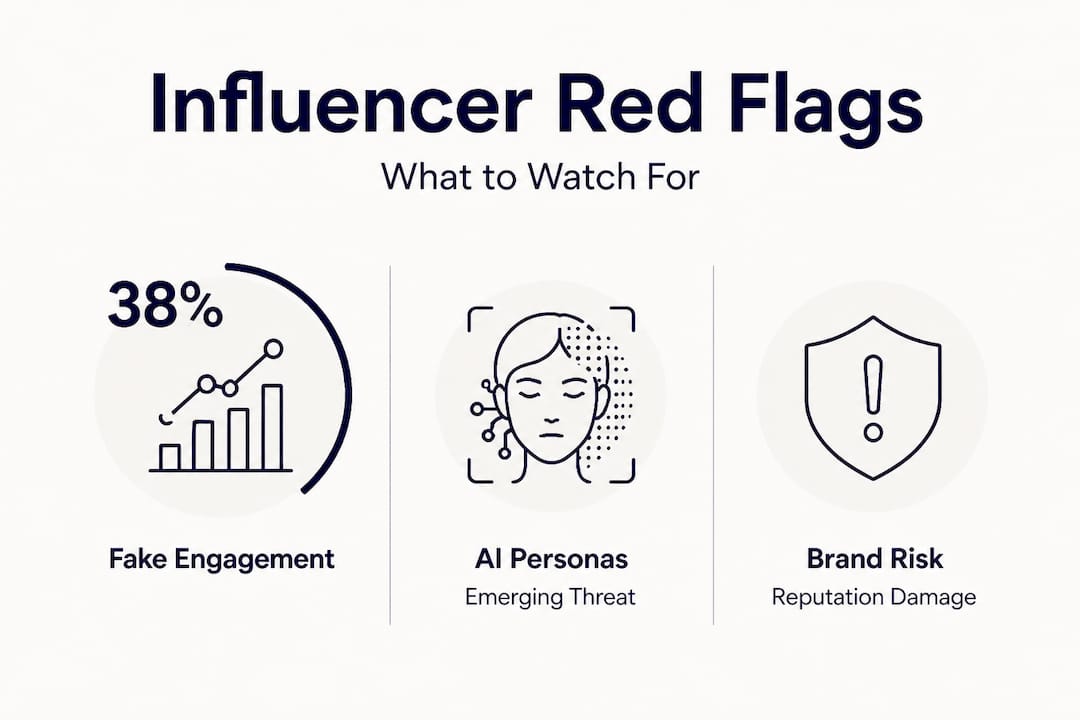
Then there’s the emerging threat of AI-created personas. We’re talking about digital “influencers” that are entirely synthetic, complete with fabricated backstories, AI-generated photos, and scripted engagement. Some are transparent about being AI (think Lil Miquela), but others are not. Protect yourself by insisting on video calls before finalising any deal and verifying real human presence behind the profile.
Connecting this to your broader brand trust efforts is smart. If you’re prioritising authenticity in your influencer choices, you should also be leaning into ethical marketing strategies across the board.
Complying with regulations and managing emerging risks
Nobody wants to deal with a fine or a public relations disaster. Yet a surprising number of small businesses treat influencer disclosures like a nice-to-have rather than a legal requirement. Let’s fix that mindset right now.
Legal obligations for brands are real and growing. You can’t outsource compliance to the influencer and call it a day. If they fail to disclose, you’re still on the hook. That’s why the vetting and briefing stages are so important.
Here are the key steps to stay legally compliant in 2026:
Include disclosure requirements in every influencer contract before work begins
Require all posts to include #ad, #sponsored, or a clear verbal disclosure (for video content)
Review content before it goes live, not after
Keep records of every piece of influencer content, including screenshots and dates
Periodically audit live posts to ensure disclosures remain visible (platforms sometimes allow edits that remove them)
Brief influencers on your brand guidelines and any restricted claims, especially if you’re in regulated industries
The FTC Endorsement Guides are unambiguous: legal compliance is non-negotiable, the FTC primarily targets brands (not just influencers), and the rise of AI and synthetic personas demands even more vigilance and explicit disclosures.
And speaking of AI, the risks are evolving fast. Deepfakes, AI-generated testimonials, and synthetic influencer accounts aren’t future problems. They’re current ones. If you’re curious about how AI in marketing is reshaping what’s possible (and what’s risky), it’s a fascinating and important read. There are also broader AI ethical challenges that translate directly to influencer marketing considerations.
Pro Tip: Create a simple spreadsheet log of every influencer post, including the platform, publish date, post URL, and whether disclosure was included. If you ever face an audit or complaint, that log is your best friend.
Maximising ROI: Practical strategies for small businesses
Alright, you’ve done the vetting, sorted the contracts, and your influencer campaign is live. Now how do you know if it’s actually working? Measuring ROI (return on investment) from influencer marketing is more accessible than you might think.
Here are the most practical ways to track your campaign results:
Use UTM codes (unique tracking tags added to URLs) so your analytics platform shows exactly how much traffic came from each influencer
Provide each influencer with a unique discount code so you can tie sales directly to their efforts
Track engagement metrics: comments, shares, saves, and click-through rates tell a richer story than likes alone
Monitor follower growth on your own channels during and after the campaign
Set up Google Analytics or a similar tool to track referral traffic and conversion paths from influencer content
Use platform native analytics (Instagram Insights, TikTok Analytics) to see reach and impression data
According to the FTC Endorsement Guides, brands should avoid a follower-count focus when evaluating performance. That advice applies to measuring campaigns too. A post that reaches 50,000 people but drives zero action is less valuable than one that reaches 5,000 highly engaged fans who actually buy something.
Creative format matters as much as the numbers. Encourage your influencer partners to experiment with Q&A sessions, live video product demos, behind-the-scenes content, or day-in-the-life stories featuring your product. These formats feel less like ads and more like genuine recommendations, which is exactly what audiences respond to.
Set your expectations clearly from the start. A single post from one nano influencer won’t transform your business overnight. Think of it more like planting seeds. Consistent, well-matched collaborations build momentum over time. Check out social media campaign examples that have boosted ROI significantly to see what’s possible when strategy meets execution.
The uncomfortable truth most small businesses miss about influencer marketing
Here’s an opinion you won’t hear very often: most small businesses are doing influencer marketing backwards. They spend weeks trying to land a “big” influencer for a one-off campaign, get mediocre results, and then declare that influencer marketing “doesn’t work.” Sound familiar?
The problem isn’t the strategy. It’s the approach. Big, flashy, one-time campaigns are the marketing equivalent of asking someone to marry you on the first date. Sure, occasionally it works, but mostly it’s just awkward and expensive.
What actually moves the needle is building genuine, ongoing relationships with influencers who genuinely connect with your brand values. Think of it like friendship rather than a transaction. The influencer who has used your product for six months and loves it will always outperform the one who just received a package in the mail yesterday.
This also means giving your influencer partners real creative freedom. Over-scripted content stinks, and audiences can smell it from three kilometres away. Your brief should communicate the key messages and boundaries, then step back and let the creator do what they do best. Their audience follows them for a reason.
The other thing most people overlook? Fit. Not just audience fit, but values fit. An influencer whose content style clashes with your brand, or whose personal reputation is complicated, can cause more harm than good. As you build building brand trust over time, every partnership you enter either strengthens or dilutes the equity you’ve worked so hard to build.
Influencer marketing isn’t a shortcut. It’s a relationship. Treat it that way and you’ll be miles ahead of the competition who are still chasing follower counts.
Take your influencer marketing to the next level with expert support
Influencer marketing has a lot of moving parts, and figuring it all out while running your business can feel like trying to juggle flaming torches while riding a unicycle. Relatable, right? That’s where having the right support makes all the difference.

At M50 Media, Karl Lundgren and the team work directly with small business owners to build influencer marketing strategies that actually fit your goals, your budget, and your brand. Whether you need a full roadmap or just a second opinion, the business coaching services are designed to give you clarity fast. If something feels urgent or you’ve hit a wall mid-campaign, book a free marketing SOS call and get real answers, not generic advice. You can also explore vetted platform and tools recommendations to find the vetting and tracking solutions that best match your needs. You’ve got this, and we’ve got you.
Frequently asked questions
How can I find the right influencer for my small business?
Look for influencers with genuine engagement and an audience that closely matches your ideal customer profile. The FTC Endorsement Guides recommend focusing on authenticity audits rather than raw follower counts when evaluating potential partners.
Do I need to disclose influencer partnerships in Canada?
Yes, clear and conspicuous disclosure is required for any material connection, including payment, gifting, or free products. Per the FTC Endorsement Guides, brands are responsible for ensuring these disclosures appear correctly on every piece of influencer content.
What risks do influencer campaigns present in 2026?
Brands need to watch for fake followers, AI-created synthetic personas, and negative influencing that can damage credibility. The FTC Endorsement Guides confirm that roughly 37% of influencers have fake followers, making thorough vetting essential before any collaboration.
What are simple ways to measure influencer marketing ROI?
Use unique discount codes, UTM-tracked links, and platform analytics to connect influencer activity directly to traffic and conversions. Tracking engagement quality, such as comments and shares, gives you a fuller picture than reach or impressions alone.
Recommended
How to boost online sales: Practical strategies for small businesses
4 Social Media Campaign Examples That Boost ROI by 11x in 2026
Maximising Influencer Marketing for SMEs: Grow Your Brand and Engage Your Target Audience | Kickass Online
7 Actionable Small Business Marketing Tips for 2025 - Titan Blue Australia
Comments