Why invest in SEO: boost small business growth in 2026


Over half of web traffic comes from organic search, making SEO the most effective way to attract quality customers. Yet many small businesses in the United States still rely heavily on paid ads that drain budgets without delivering lasting results. This guide explains how SEO benefits small businesses in 2026, cuts through common myths, and provides actionable strategies to build sustainable online visibility and drive sales growth.
Table of Contents
Key takeaways
Point | Details |
SEO drives high-quality traffic | Organic search attracts over half of all web visitors with buyer intent, delivering superior conversion rates compared to paid channels. |
Long-term marketing value | Unlike paid ads that stop delivering when funding ends, SEO creates persistent, growing traffic that compounds over time. |
Modern SEO adapts to AI | Updated algorithms and AI-powered search require expertise-focused content, local optimisation, and structured data to maintain visibility. |
Myths harm strategy | Outdated tactics like keyword stuffing and expecting instant results prevent businesses from implementing effective SEO approaches. |
Practical steps work | Intent-based content, local presence optimisation, and ongoing measurement deliver measurable improvements within 3 to 6 months. |
Understanding SEO and its importance for small businesses
SEO, or search engine optimisation, involves improving your website’s visibility in search results when potential customers look for products or services you offer. This matters because US consumers overwhelmingly rely on search engines to find businesses, compare options, and make purchase decisions. When your site ranks higher, you attract more visitors who are actively searching with buyer intent, making them far more likely to convert into paying customers.
53.3% of all web traffic originates from organic search, and 60% of marketers report their highest quality leads come from SEO-engaged customers. This demonstrates why understanding what is SEO and why it matters has become essential for competitive small businesses. Unlike visitors from generic ads, organic searchers already want what you provide, reducing the friction in your sales process.
Effective SEO encompasses several interconnected elements:
Keywords: Strategic terms and phrases your target customers actually use when searching
Content quality: Authoritative, relevant information that answers customer questions and demonstrates expertise
Site performance: Fast loading speeds, mobile responsiveness, and intuitive navigation that keep visitors engaged
Authority signals: Quality backlinks, consistent business information, and positive reviews that build trust with search engines
Mastering these fundamentals positions your business to capture the SEO benefits for small business growth that larger competitors already leverage. The investment in SEO creates a marketing asset that appreciates over time, unlike paid advertising that depreciates the moment you stop funding campaigns.
Key benefits of investing in SEO for small business growth
SEO delivers measurable advantages that directly impact your bottom line and competitive position. Understanding these benefits helps you allocate marketing resources wisely and set appropriate expectations for returns.
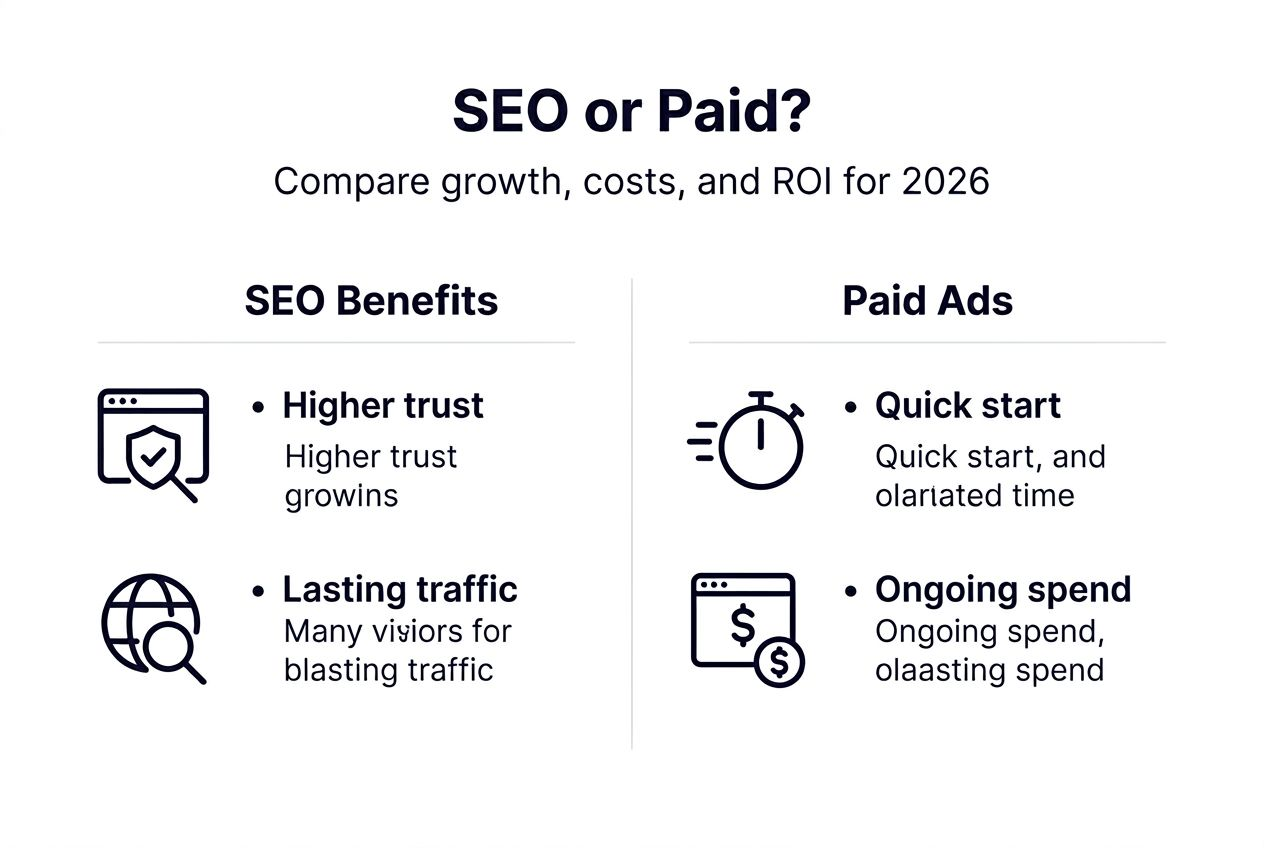
High-quality customer acquisition: SEO drives 53.3% of web traffic and yields 60% of the best leads, outperforming other marketing channels. Organic visitors arrive with specific intent, already interested in your offerings. They convert at higher rates because they found you while actively searching for solutions, not because an ad interrupted their browsing.
Cost efficiency and sustainability: Unlike paid advertising that stops delivering results immediately when budgets run out, SEO traffic persists after marketing spend ends. You build an asset that continues generating qualified leads long after the initial investment. This makes SEO one of the most cost-effective marketing strategies for small businesses seeking sustainable growth.
Brand trust and authority: Google’s December 2025 core update prioritises E-E-A-T (Experience, Expertise, Authoritativeness, Trustworthiness), benefitting local businesses that demonstrate authentic value. When customers find you ranking highly in organic results, they perceive your business as more credible than competitors who only appear in paid ads. This trust accelerates purchase decisions and builds long-term customer relationships.
Local discoverability: For businesses serving specific geographic areas, local SEO strategies enhance visibility when nearby customers search for your services. Optimised local presence drives foot traffic to physical locations and captures mobile searchers ready to buy immediately.
SEO creates a compounding advantage: each improvement builds on previous efforts, generating increasing returns over time rather than requiring constant reinvestment to maintain visibility.
These benefits combine to create marketing efficiency that paid channels cannot match, making SEO essential for small businesses competing against larger rivals with bigger advertising budgets.
Common misconceptions holding small businesses back from SEO success
Misunderstanding how SEO works leads businesses to waste resources on outdated tactics or abandon effective strategies prematurely. Clearing up these myths helps you avoid costly mistakes.
Myth 1: More keywords means better rankings. Keyword stuffing harms rankings rather than improving them. Search engines penalise sites that unnaturally repeat terms, prioritising content that reads naturally and serves user intent. Focus on strategic keyword placement within valuable content instead of forcing phrases everywhere.
Myth 2: Quantity of backlinks matters most. Backlink quality trumps quantity in modern search algorithms. A single link from a respected industry site carries more weight than hundreds from low-quality directories. Building genuine relationships and creating link-worthy content delivers better results than buying bulk backlinks.
Myth 3: SEO delivers instant traffic. SEO takes 3 to 6 months to show results as search engines need time to crawl, index, and evaluate your improvements. Businesses expecting immediate returns often abandon SEO just before momentum builds. Patient, consistent effort compounds into substantial traffic growth.
Myth 4: AI and paid ads make SEO obsolete. AI-powered search actually increases SEO’s importance by prioritising authoritative answers and reducing reliance on generic paid placements. Organic results remain essential for capturing high-intent traffic that AI tools reference in their answers.
Myth 5: Local SEO doesn’t matter. For small businesses, local search visibility determines whether nearby customers discover you or competitors. Neglecting local optimisation means missing ready-to-buy customers in your service area.
Pro Tip: Document your SEO baseline metrics before starting improvements so you can measure progress accurately after the 3 to 6 month development period. This helps maintain commitment when quick results don’t materialise.
Avoiding these misconceptions allows you to build a digital marketing plan grounded in current best practises rather than outdated advice.
How AI and search engine updates are changing SEO in 2026
Artificial intelligence has fundamentally altered how search engines deliver information and how users find answers. Understanding these shifts helps you optimise for modern search behaviour.

AI-generated answer summaries and zero-click searches now dominate results pages, with search engines directly providing information without requiring users to visit websites. This reduces click-through rates but increases brand visibility for businesses whose content gets featured in these AI-powered answers. Your SEO strategy must adapt to capture visibility even when users don’t click through.
Optimising for featured content: Structured data, clear answer formats, and authoritative expertise increase your chances of inclusion in AI summaries and featured snippets. Format content to directly answer specific questions, use proper heading hierarchies, and implement schema markup that helps search engines understand your information.
Search intent modelling: AI algorithms now evaluate whether content truly satisfies user intent beyond simple keyword matching. Surface-level articles that don’t provide genuine value rank poorly. You must create focused, relevant content that demonstrates real expertise and thoroughly addresses what searchers actually need.
Expertise signals: The shift toward E-E-A-T means search engines scrutinise who creates content and whether they possess genuine knowledge. Small businesses benefit by showcasing real experience, credentials, and authentic customer interactions rather than generic information anyone could write.
Modern SEO requires serving direct answers and demonstrating measurable expertise rather than simply ranking for keywords.
These changes favour small businesses with authentic expertise over content farms producing generic articles. Understanding the AI impact on SEO helps you position content to capture visibility in this new search landscape where quality and authority determine success more than ever.
Practical SEO strategies for small business owners
Implementing effective SEO doesn’t require massive budgets or technical expertise. These actionable strategies deliver measurable improvements when applied consistently.
Conduct buyer-intent keyword research: Identify specific phrases customers use when ready to purchase, not just browsing. Tools like Google Keyword Planner reveal search volumes and competition levels. Focus on local terms combining your service with your city or region.
Optimise website usability: Ensure fast loading speeds, mobile responsiveness, and intuitive navigation. Google penalises slow sites that frustrate visitors. Compress images, minimise code, and test performance regularly across devices.
Create authoritative content: Develop content marketing strategies that demonstrate expertise and answer customer questions thoroughly. Show real experience, include specific examples, and provide actionable advice competitors don’t offer.
Maintain NAP consistency: Local SEO prioritises NAP consistency (Name, Address, Phone) across all online directories, your website, and social profiles. Inconsistent information confuses search engines and reduces local rankings.
Build quality local backlinks: Earn links from local business associations, chambers of commerce, and industry partners. These signals demonstrate community relevance and geographic authority that boost local search visibility.
Encourage positive reviews: Customer reviews on Google Business Profile and industry platforms strengthen local SEO while building trust with potential customers. Respond professionally to all reviews, addressing concerns transparently.
Monitor and adapt: Track rankings, traffic sources, and conversion rates monthly. Algorithm updates require strategy adjustments, so staying informed about search engine changes helps maintain visibility.
Pro Tip: Start with local SEO optimisation before expanding to broader keywords. Dominating local search delivers faster wins and builds momentum for competing in wider markets.
These effective marketing strategies create compounding improvements as search engines recognise your growing authority and relevance. Consistency matters more than perfection, so implement one improvement weekly rather than attempting everything simultaneously.
Comparing SEO to paid advertising: ROI, timeline, and sustainability
Understanding tradeoffs between SEO and paid advertising helps you allocate marketing budgets strategically for maximum returns.
Conversion quality: SEO achieves 14.6% conversion rates versus 1.7% for outbound paid ads. Organic searchers convert better because they actively sought your solution rather than encountering an interruptive ad. This quality difference dramatically impacts customer acquisition costs.
Timeline considerations: SEO requires longer timelines but offers sustainable, cumulative traffic growth. Paid ads deliver immediate visibility but only while funded. SEO takes 3 to 6 months for measurable momentum, then generates increasing returns as authority compounds.
Cost structure: Paid advertising demands continuous spending to maintain visibility. SEO traffic persists while paid ads stop immediately after budget ends. This makes SEO more cost-effective long term despite requiring upfront investment.
Brand perception: Customers trust organic results more than paid placements. Ranking highly signals industry authority and legitimacy that paid ads cannot replicate. This trust accelerates sales cycles and supports premium pricing.
Factor | SEO | Paid Advertising |
Conversion Rate | 14.6% average | 1.7% average |
Traffic Persistence | Continues after investment | Stops when funding ends |
Timeline to Results | 3 to 6 months | Immediate |
Cost Structure | Upfront investment, decreasing cost per lead | Continuous spending required |
Brand Trust | High (earned placement) | Lower (paid placement) |
Scalability | Compounds over time | Linear with budget |
The optimal approach often combines both channels strategically. Use paid ads for immediate visibility while building SEO assets that deliver sustainable traffic. As organic rankings improve, gradually shift budget from paid to SEO reinvestment. This balanced strategy from your digital marketing plan captures quick wins while building long-term competitive advantages.
Setting realistic expectations and next steps for SEO investment
Success with SEO requires understanding realistic timelines, committing to ongoing optimisation, and taking strategic first steps.
SEO typically takes 3 to 6 months for measurable momentum and requires continuous quality content and optimisation. Don’t expect overnight transformations. The first months involve technical improvements, content development, and earning search engine trust. Momentum accelerates as your authority grows, with traffic often doubling between month six and month twelve.
Ongoing requirements: SEO isn’t a one-time project. Algorithm updates, competitor actions, and changing customer behaviour demand regular strategy adjustments. Plan for monthly performance reviews and quarterly strategy updates. Fresh, authoritative content signals ongoing relevance to search engines.
Starting actions:
Audit current website performance using Google Search Console and analytics tools
Research buyer-intent keywords specific to your market and location
Optimise existing pages for target keywords and user experience
Claim and optimise your Google Business Profile for local visibility
Develop a content calendar addressing customer questions and pain points
Build relationships with local organisations for quality backlink opportunities
Pro Tip: Focus on quick wins like optimising title tags, improving site speed, and claiming business listings before tackling complex technical SEO. These improvements show faster results and build confidence in the process.
When to seek expertise: Basic SEO optimisation suits DIY implementation, but complex technical issues, competitive markets, or scaling beyond local search benefit from professional guidance. Consider hiring SEO specialists or coaches who can accelerate progress and avoid costly mistakes. Review your digital marketing planning to determine whether expertise investment delivers better returns than self-implementation.
Committing to realistic timelines and consistent effort positions your business to capture SEO’s compounding benefits rather than abandoning strategy before results materialise.
Start growing your business with expert SEO coaching
Transforming SEO knowledge into results requires guidance tailored to your specific business challenges and market conditions. M50 Media offers personalised expert SEO coaching that helps small businesses implement effective strategies without wasting time on tactics that don’t work. Our coaching programmes cut through generic advice to address your unique competitive situation.
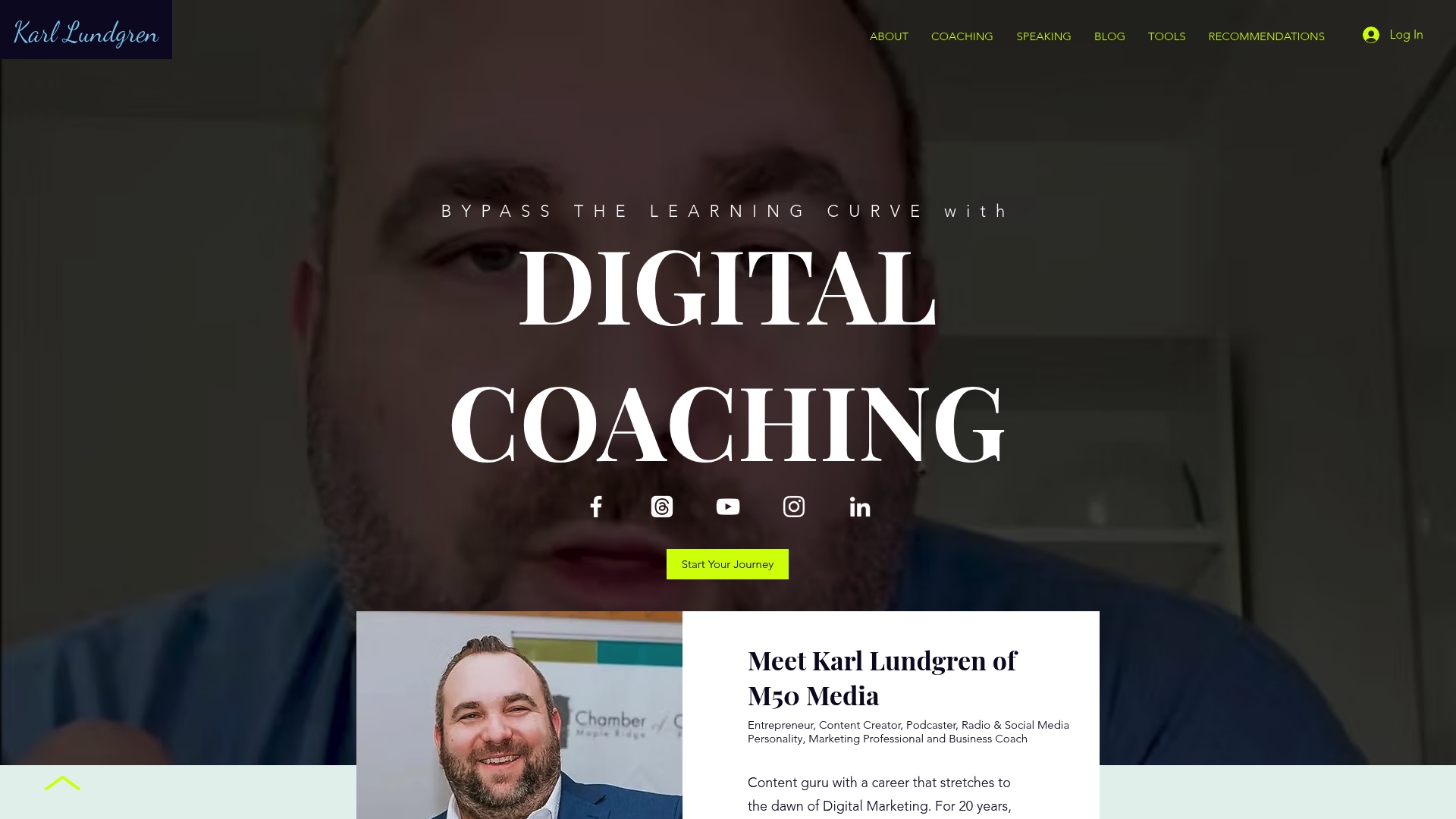
Need urgent help diagnosing marketing challenges holding back growth? Book a free marketing SOS call to identify quick wins and strategic priorities. Our digital coaching services guide you through modern SEO and digital marketing best practises, accelerating your path to sustainable online visibility and sales growth. Take action today to build the marketing assets that compound into lasting competitive advantages.
Frequently asked questions about investing in SEO
What is the typical timeline to see SEO results?
SEO takes 3 to 6 months to show measurable momentum requiring consistent effort. Initial improvements appear within weeks, but substantial traffic growth develops after several months as search engines recognise your growing authority. Patience and ongoing optimisation are essential for SEO success.
How much should a small business invest in SEO?
Investment depends on your market competition, business size, and growth goals. Small businesses can start with basic optimisations handling site speed, local listings, and foundational content, then scale efforts as results demonstrate value. Most successful businesses allocate 5 to 10 percent of revenue to marketing, with increasing portions toward SEO as organic traffic proves ROI.
Can SEO replace paid advertising entirely?
SEO provides sustainable, long-term traffic whilst paid ads deliver immediate visibility for time-sensitive campaigns. Using both channels strategically maximises reach and conversions. Start with paid ads for quick customer acquisition whilst building SEO assets, then gradually shift budget as organic rankings improve and reduce reliance on continuous ad spending.
Why is local SEO important for small businesses?
Local SEO improves visibility in neighbourhood searches and drives foot traffic to physical locations. Consistent NAP data across directories, optimised Google Business Profile, and local backlinks help nearby customers discover your business when searching for services you provide. Local optimisation delivers faster results than competing nationally.
How often should I update my SEO strategy in 2026?
Review your SEO strategy quarterly to stay aligned with algorithm updates and evolving market trends. Major search engine updates require tactical adjustments to maintain rankings. Continuous content updates, performance monitoring, and adapting to competitor actions ensure sustained visibility. Monthly metric reviews identify issues early whilst quarterly strategy sessions address broader market shifts.
Recommended
Comments