Content marketing strategy guide for small business 2026


Small businesses often struggle with content marketing because they lack a clear strategy. Random posts and inconsistent efforts lead to wasted time and minimal results. Without a focused approach, your content fails to attract customers or drive growth. This guide provides a proven framework to build an effective content marketing strategy that connects with your audience and achieves measurable business goals in 2026.
Table of Contents
Key takeaways
Point | Details |
Strategic content drives growth | 71% of marketers report content marketing is more important now than a year ago. |
Foundation matters most | Clear goals and detailed buyer personas prevent wasted effort and ensure content resonates with your ideal customers. |
Blogging builds authority | Publishing in-depth articles consistently boosts organic traffic, establishes expertise, and solves customer problems. |
Measurement enables improvement | Tracking the right metrics aligned with your goals allows you to refine your strategy and maximise ROI. |
Framework keeps you focused | A documented content strategy framework ensures team alignment and prevents scattered, ineffective content efforts. |
Why a content marketing strategy matters for small businesses
Content marketing has become essential for small business success in 2026. 71% of marketers report content marketing is more important now than a year ago, yet many businesses still approach it randomly. They publish occasional social media updates, write sporadic blog posts, and wonder why results never materialise.
The scattered approach wastes resources and opportunities. Without a clear strategy, your content lacks direction and fails to serve your business goals. You might create brilliant pieces that never reach the right people or produce content that generates traffic but no sales.
A strategic approach changes everything. 58% of B2B marketers link content efforts directly to increased sales and revenue. These businesses succeed because they align content with specific objectives, understand their audience deeply, and measure what matters.
Common mistakes include:
Publishing content without understanding audience needs or pain points
Creating random posts across multiple channels with no cohesive message
Failing to measure performance or adjust based on results
Copying competitors instead of developing unique value propositions
Ignoring SEO fundamentals that help content get discovered
Strategic content marketing creates a sustainable system for attracting and converting customers. It positions your business as a trusted authority, generates qualified leads consistently, and builds relationships that drive long term growth. The investment in developing effective marketing strategies for small businesses pays dividends through reduced customer acquisition costs and increased lifetime value.
Preparing your content marketing strategy framework
Every successful content strategy begins with preparation. You need a solid foundation before creating a single piece of content. This preparation phase separates businesses that see results from those that waste time and money.
Start by defining clear, measurable goals. What do you want content marketing to achieve? Your goals might include increasing brand awareness, generating qualified leads, nurturing prospects, driving sales, or building customer loyalty. Choose one primary goal to anchor your efforts and ensure focus.
Creating detailed buyer personas is essential for understanding your audience personally. A buyer persona represents your ideal customer with specific demographics, behaviours, challenges, and goals. Interview existing customers, analyse your best clients, and research audience pain points to build accurate personas.
Your buyer persona should include:
Demographics like age, location, job title, and income level
Professional challenges and personal frustrations they face daily
Information sources they trust and platforms they use regularly
Goals they want to achieve and obstacles preventing success
Decision making processes and factors influencing purchases
Choosing one primary goal focuses your content efforts and prevents dilution. Brand awareness content differs significantly from conversion focused content. Awareness content educates broadly and reaches new audiences. Conversion content addresses specific objections and guides prospects toward purchase decisions.
Document your strategy framework to maintain alignment across your team. A content strategy framework keeps everyone focused on goals and prevents random content creation. Your framework should outline your target audience, primary goal, content pillars, publishing schedule, and success metrics.
Pro Tip: Create a simple one page strategy document that answers why you create content, who it serves, what topics you cover, where you publish, when you post, and how you measure success. Share this with everyone involved in content creation to maintain consistency.
A strong digital marketing plan guide integrates your content strategy with broader marketing initiatives. Content supports every marketing channel, from email campaigns to social media to paid advertising. Alignment ensures consistent messaging and maximises the value of every piece you create.
Executing your content marketing tactics with a blog focus
Blogging remains the most effective content marketing tactic for small businesses in 2026. A well maintained blog builds authority, drives organic traffic, and converts visitors into customers. The key is creating genuinely helpful content rather than thinly veiled sales pitches.
In-depth articles of 1,500+ words signal expertise to Google and provide immense value to readers. Long form content allows you to explore topics thoroughly, answer related questions, and establish your business as the definitive resource. Search engines reward comprehensive content with higher rankings.
Follow this execution framework:
Identify customer questions and pain points through sales conversations, support tickets, and keyword research
Choose topics that align with your business goals and serve your buyer personas directly
Create detailed outlines covering every aspect of the topic before writing
Write conversationally using simple language while demonstrating expertise and authority
Include examples, data, and actionable advice readers can implement immediately
Optimise for search engines without sacrificing readability or natural flow
Promote new content through email, social media, and other channels you control
Marcus Sheridan’s company generated millions by blogging to answer customer questions. He documented every question prospects asked and created comprehensive blog posts addressing each one. This simple approach transformed his pool company into an industry leader and built a sustainable content machine.
Content Type | Publishing Frequency | Primary Goal | Ideal Length |
Educational guides | Weekly | Authority building | 1,500-2,500 words |
Customer success stories | Bi-weekly | Social proof | 800-1,200 words |
Industry news analysis | As needed | Thought leadership | 1,000-1,500 words |
How-to tutorials | Weekly | Problem solving | 1,200-2,000 words |
Consistency matters more than volume. Publishing one exceptional article weekly beats five mediocre posts. Quality content gets shared, linked to, and remembered. Mediocre content gets ignored and damages your credibility.
Building a business blog requires commitment but delivers compounding returns. Each quality post continues attracting visitors and generating leads months or years after publication. This evergreen content builds a library of resources that works for your business continuously.

Pro Tip: Address customer objections directly in your blog content. When prospects research solutions, they have concerns about cost, implementation, results, and alternatives. Create content that honestly addresses these objections and builds trust through transparency.
Understand the role of blogs in branding as you develop your content programme. Your blog shapes how people perceive your business, demonstrates your values, and differentiates you from competitors. Consistent, helpful content builds a brand that attracts ideal customers naturally.
Measuring success and refining your content marketing strategy
Measurement transforms content marketing from guesswork into a systematic growth engine. You need metrics that connect content performance to business outcomes, not vanity numbers that look impressive but drive no value.
Identify KPIs aligned with your primary content goal. Brand awareness efforts track metrics like website traffic, new visitors, social shares, and brand mention volume. Lead generation focuses on email subscribers, contact form submissions, and content download rates. Conversion oriented strategies measure sales qualified leads, demo requests, and revenue attributed to content.
Without a content strategy framework, performance is hard to monitor and business goals aren’t met. Your framework defines success criteria and establishes baselines for improvement. Regular measurement reveals which content types, topics, and formats resonate most with your audience.
Common content marketing pitfalls to avoid:
Publishing random posts without strategic intent or audience research
Repeating the same topics without adding new insights or perspectives
Operating in silos where content creators don’t communicate with sales or support teams
Ignoring analytics and continuing ineffective approaches indefinitely
Chasing trends instead of building sustainable, focused content programmes
Analytics tools reveal how visitors find your content, which pieces drive engagement, and where people drop off. Track these behaviours to understand what works and what needs improvement. Look for patterns in high performing content to inform future creation.
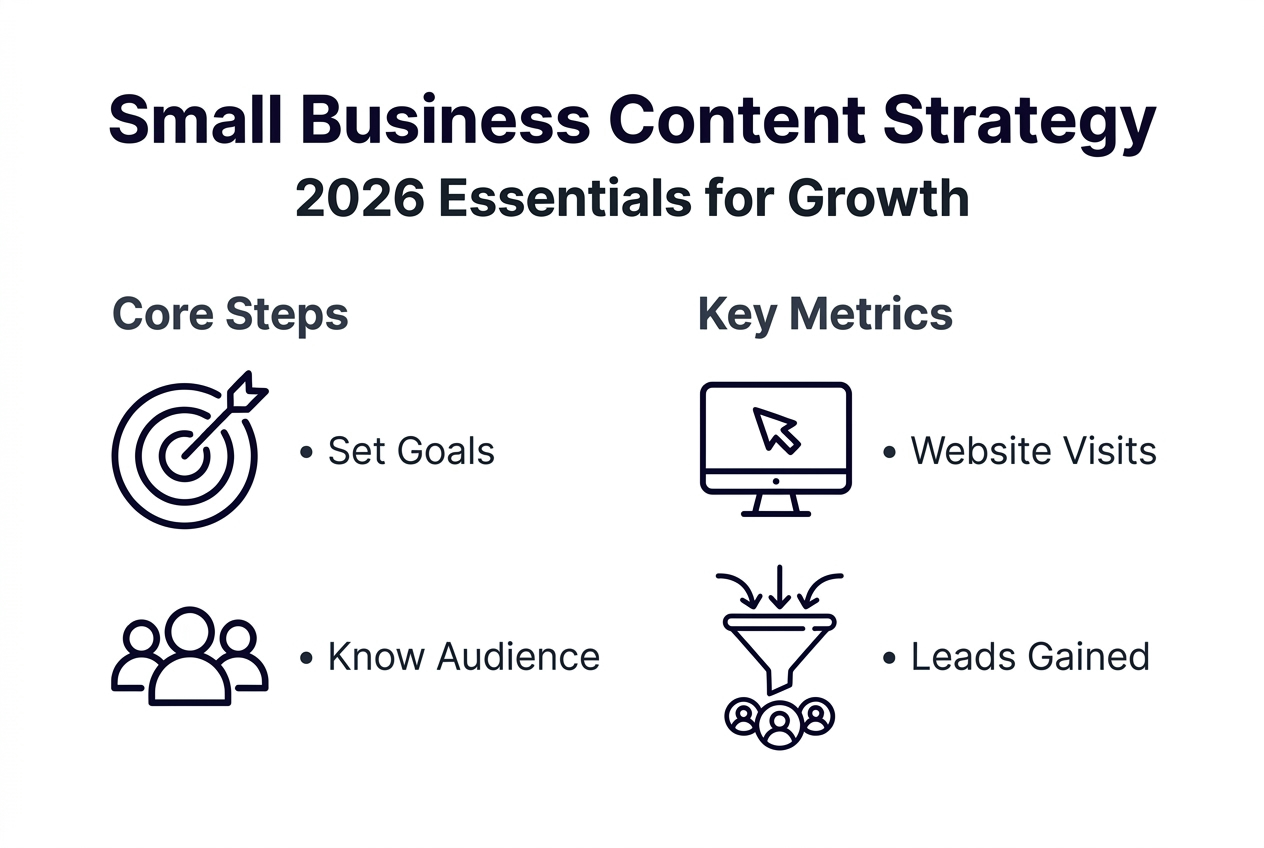
Metric Category | Key Indicators | What It Reveals |
Reach | Organic traffic, social impressions | How many people discover your content |
Engagement | Time on page, scroll depth, comments | Whether content resonates and holds attention |
Conversion | Lead forms, email signups, demo requests | If content drives desired actions |
Revenue | Sales attributed, customer lifetime value | Direct business impact of content efforts |
Adjust your strategy quarterly based on performance data and market changes. Content marketing is iterative. You learn what resonates through experimentation and refinement. Double down on successful approaches and eliminate what doesn’t work.
Maintain a centralised content strategy framework that your entire team can access and reference. This transparency ensures everyone understands priorities and prevents duplicate efforts. Regular strategy reviews keep your approach fresh and aligned with evolving business needs.
Successful content marketing requires patience and persistence. Results compound over time as your content library grows and search rankings improve. A digital marketing strategy for sales growth integrates content with other channels to maximise impact and accelerate results.
How M50 Media helps small businesses succeed with content marketing
Developing an effective content marketing strategy requires expertise, time, and focused execution. M50 Media provides specialised content marketing coaching designed specifically for small businesses ready to grow their digital presence and attract ideal customers consistently.
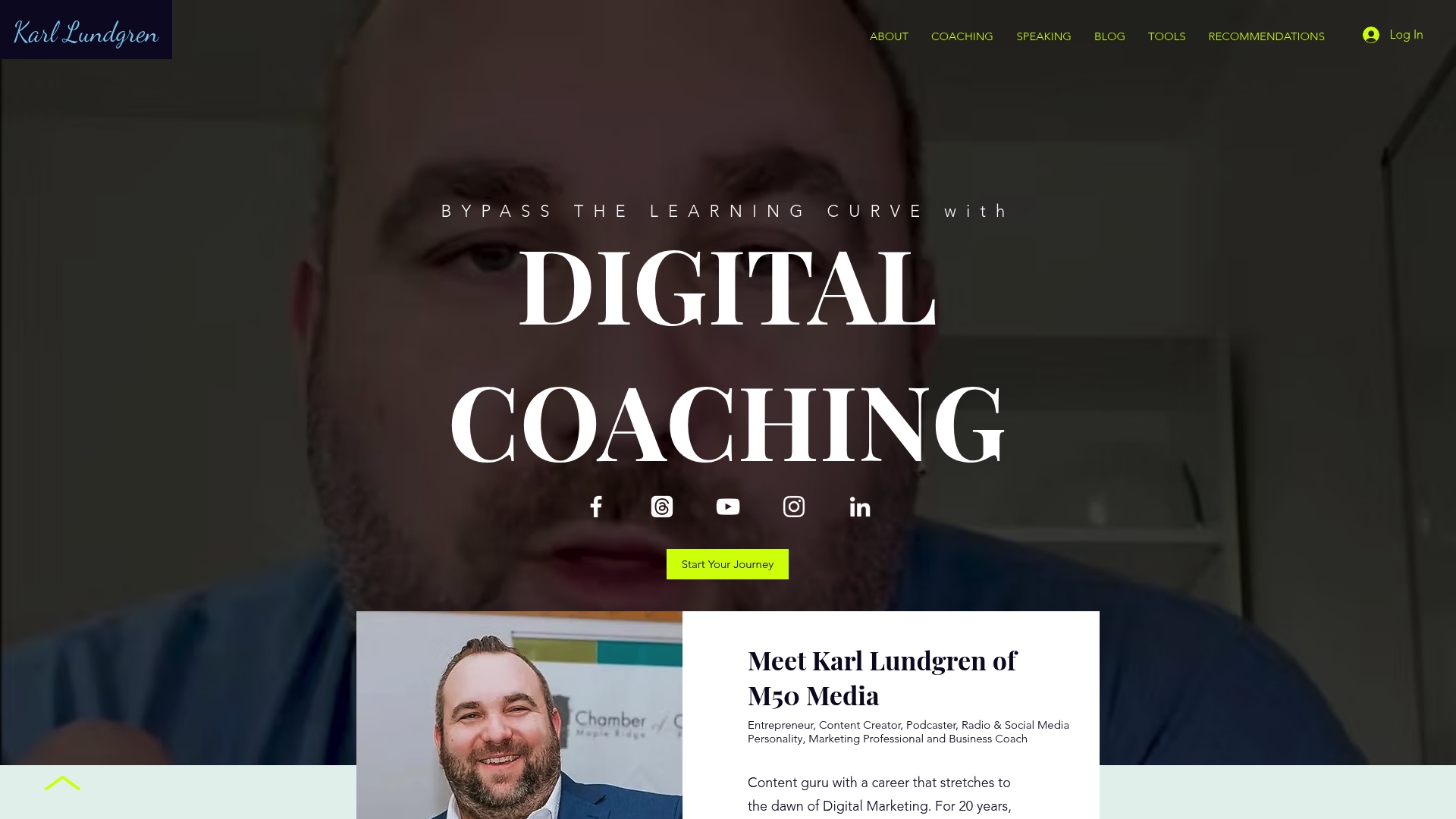
Our coaching programme helps you build a customised content strategy framework aligned with your unique business goals and target audience. We guide you through buyer persona development, content planning, execution tactics, and measurement systems that drive real results. You’ll gain practical skills to create compelling content that educates prospects and converts them into loyal customers.
Small business owners benefit from personalised guidance that addresses their specific challenges and opportunities. We help you avoid common pitfalls, accelerate your progress, and build sustainable content systems that generate leads long term. Book a free marketing SOS call to discuss your content marketing goals and discover how our expertise can transform your digital marketing results in 2026.
FAQ
What is a content marketing strategy?
A content marketing strategy is a documented plan that uses content to achieve specific business goals by engaging your target audience. It defines what content you create, who it serves, where you publish, and how you measure success to ensure every piece contributes to business growth.
How do I create buyer personas for my small business?
Buyer personas are detailed profiles representing your ideal customers based on real data about demographics, behaviours, challenges, and goals. Create them by interviewing your best customers, analysing purchase patterns, reviewing support questions, and researching competitor audiences to understand what drives decision making.
How often should I publish blog content for best results?
Publishing at least one in-depth, valuable blog post weekly builds momentum and improves search rankings over time. Consistency matters more than frequency, so maintain a sustainable schedule you can follow long term rather than posting sporadically.
What metrics should I track to measure content marketing success?
Track metrics directly aligned with your primary goal, such as organic traffic and new visitors for awareness, email subscribers and lead forms for lead generation, or sales qualified leads and revenue for conversions. Review analytics monthly to identify trends and refine your approach based on what drives real business results.
Recommended
Comments