Top digital marketing trends for business success in 2026
- karl7209
- 6 hours ago
- 8 min read

TL;DR:
Digital marketing in 2026 relies on Generative Engine Optimization and Answer Engine Optimization.
AI-driven answer engines prioritize structured, authoritative content and trust signals over traditional SEO.
Successful businesses focus on authentic engagement and smart omnichannel strategies rather than chasing every trend.
Digital marketing in 2026 feels a bit like trying to hit a moving target while riding a unicycle. Just when you think you’ve figured out the algorithm, the algorithm figures out a whole new way to humble you. 😅 The good news? The businesses that stay curious and adaptable are the ones pulling ahead. With 69% of searches now ending without a single click, the rules of online visibility have genuinely changed. This guide breaks down the biggest digital marketing shifts happening right now, what they mean for your business, and the practical steps you can take to make 2026 your best year yet.
Table of Contents
Key Takeaways
Point | Details |
AI and answer engines dominate | 2026’s search and content landscape is shaped by AI, rewarding structured and authoritative information. |
GEO and AEO required | Optimise your marketing for Generative Engine Optimization and Answer Engine Optimization to be visible in zero-click results. |
Focus on unified customer journeys | Omnichannel strategies connect your brand impact across channels for stronger engagement and conversion. |
Use authenticity with automation | Blend automated tools and AI with your business’s genuine voice for trust and loyalty. |
How digital marketing is changing in 2026
If you’ve been running the same playbook for the last few years, you’re not alone. But 2026 is serving up some real curveballs. The biggest shift? Traditional SEO (Search Engine Optimisation) is quietly being replaced by two newer approaches: Generative Engine Optimisation (GEO) and Answer Engine Optimisation (AEO). These aren’t just fancy rebrands. They represent a genuine change in how people find information online.
AI-powered tools like Google’s AI Overviews and other answer engines are now summarising content directly on the search results page. Users get their answer, feel satisfied, and never visit your website. Sounds a bit rude, honestly. But that’s the reality, and smart businesses are adapting their marketing strategy changes to match.
Here’s what’s driving the shift in 2026:
Zero-click searches dominate at 69%, meaning most users never leave the search results page
AI summaries pull from structured, authoritative content that follows E-E-A-T principles (Experience, Expertise, Authoritativeness, Trustworthiness)
Answer engines reward concise, well-organised content over keyword-stuffed pages
Brand credibility and expert authorship are now ranking signals, not just nice-to-haves
AI in marketing is reshaping how content gets discovered, created, and distributed
To spot lasting trends worth your time, ask yourself three questions. Does this trend align with where my customers are spending their attention? Can my business realistically adapt to it? And does it create long-term value, not just a short-term spike? If the answer to all three is yes, you’ve found a trend worth chasing.
Generative Engine Optimization (GEO) & Answer Engine Optimization (AEO)
Okay, let’s get into the good stuff. GEO and AEO are the new standard for online visibility, and if you haven’t heard of them yet, consider this your friendly heads-up. 👋
Traditional SEO was all about ranking on page one of Google. GEO and AEO are about getting your content pulled into AI-generated answers, featured snippets, and voice search results. The goal isn’t just to rank. It’s to be the source that the AI trusts enough to quote.
Why does this matter so much? Because structured, authoritative content optimised for AI and zero-click answers now wins visibility in a way that old-school keyword tactics simply can’t match anymore.
Here’s how to start winning with GEO and AEO:
Add FAQ schema markup to your website pages so answer engines can easily pull your content
Write concise, direct answers to common questions your customers are actually asking
Establish expert authorship by including author bios, credentials, and real experience on your content
Follow E-E-A-T principles across your entire site, not just your blog posts
Use structured content strategies to organise information in a way AI tools can easily parse
Aim for clear headings, short paragraphs, and scannable formatting throughout
“The businesses showing up in AI summaries aren’t necessarily the biggest. They’re the most trusted and the most clearly structured.”
Pro Tip: Start with your top five most-asked customer questions. Write a dedicated, well-structured answer for each one on your website. That’s your GEO starter pack right there.
The shift to GEO and AEO doesn’t mean abandoning everything you know. It means layering new habits onto your existing content approach. Think of it as upgrading your toolkit, not throwing it out.
Embracing AI-driven content and automation
As GEO and AEO change how content is found, AI is also changing how content is created and managed. And honestly? It’s both exciting and a little wild. 🤖
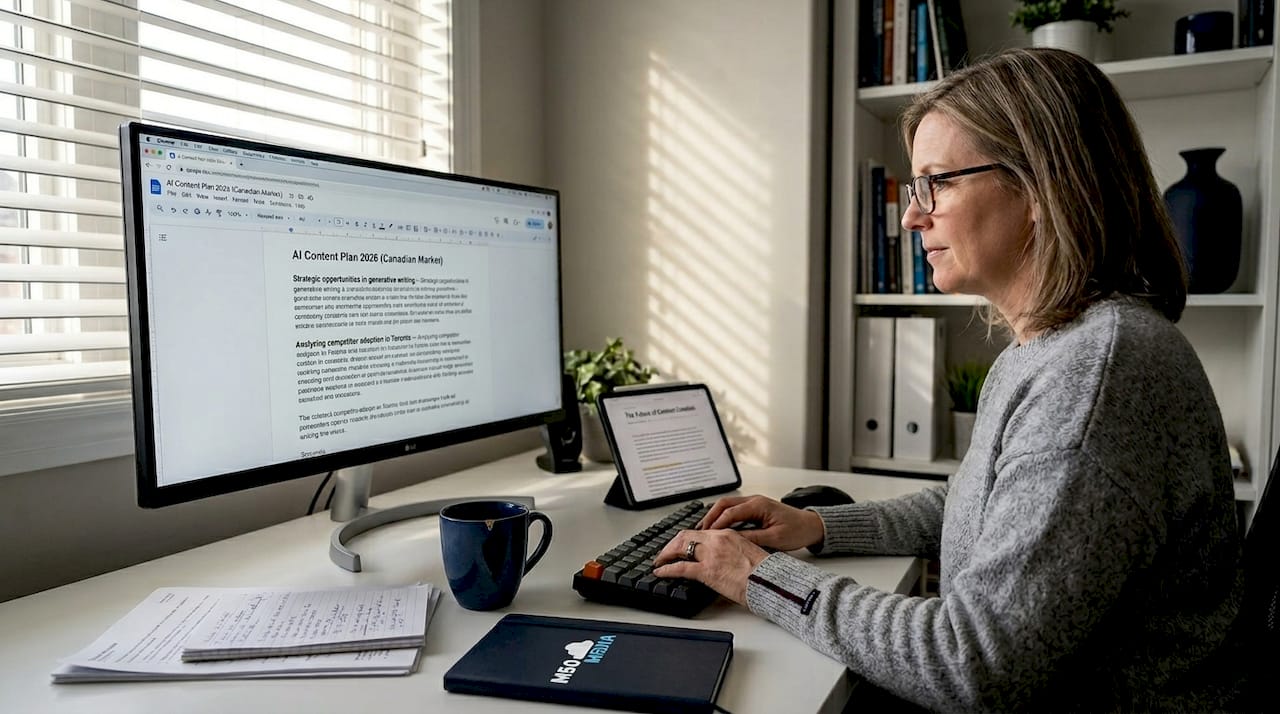
AI now powers search and generates content, which is reshaping marketing workflows across every industry. Tools like ChatGPT, Jasper, and Google’s own AI suite can draft emails, write social captions, generate ad copy, and even suggest content calendars. For small teams, this is genuinely game-changing.
But here’s the thing nobody tells you: AI is great at volume, not at soul. Your brand’s personality, your unique stories, and your genuine connection with customers? That still needs a human hand. The businesses winning in 2026 are the ones using AI-powered marketing tactics as a co-pilot, not an autopilot.
Here’s a practical workflow for blending automation with authenticity:
Use AI to generate first drafts of blog posts, emails, and social content
Edit every draft to inject your brand voice, real examples, and personality
Automate repetitive tasks like email sequences, social scheduling, and ad bidding
Reserve human creativity for strategy, storytelling, and community engagement
Review AI-generated content regularly to ensure it still sounds like you, not a robot
Pro Tip: Set up a simple brand voice document. List your tone, favourite phrases, and topics you’d never touch. Share it with any AI tool you use as a prompt guide. Your content will feel a lot more like you and a lot less like a press release from 1998.
Automation isn’t about replacing your team. It’s about freeing them up to do the work that actually moves people.
Social media’s evolving role in 2026 marketing
Automation and AI impact more than search. Social media in 2026 looks pretty different from even two years ago, and not just because of the endless new features nobody asked for. 😂
Social channels continue to shift, with authenticity and AI-driven recommendations changing the playbook for businesses and creators alike. AI-curated feeds now decide what your audience sees, which means organic reach for business pages has become even more competitive. The platforms reward content that sparks genuine engagement, not content that just looks polished.
Here’s a quick comparison of the top platforms for small business use in 2026:
Platform | Best for | Organic reach | Ad cost |
Visual brands, lifestyle, products | Moderate | Medium | |
TikTok | Short-form video, younger audiences | High | Low to medium |
B2B, professional services, thought leadership | High | Higher | |
Community building, local business, events | Lower | Low to medium | |
YouTube | Long-form content, tutorials, SEO value | High | Varies |
For organic engagement, the winning moves right now are:
Show behind-the-scenes content that feels real and unscripted
Respond to comments and DMs like an actual human (because you are one)
Use short-form video consistently, even if it’s not perfect
Lean into platform-native features like polls, Q&As, and collabs
Check out 2026 social media best practices and business social setup tips for a deeper look at building your presence the right way.
The bottom line? Authenticity isn’t just a buzzword anymore. It’s the actual algorithm.
Omnichannel strategies for unified customer experiences
As platforms diversify, the winners balance all channels into a seamless whole. And no, omnichannel doesn’t mean being everywhere at once and burning yourself out. It means making sure your customer’s experience feels consistent no matter where they find you.
In 2026, integrated, consistent brand presence across channels is essential as digital customer journeys get more fragmented. Someone might discover you on TikTok, check your Google reviews, visit your website, sign up for your email list, and then finally buy. If each of those touchpoints feels like a different business, you’ve lost them.
Here’s a look at what omnichannel actually delivers:
Strategy | Benefit | Impact |
Unified brand voice | Builds recognition and trust | High |
Cross-channel retargeting | Keeps your brand top of mind | High |
Consistent visual identity | Reduces confusion, increases recall | Medium to high |
Integrated email and social | Amplifies reach and engagement | Medium |
Practical steps to build your omnichannel approach:
Audit every customer touchpoint and ask: does this feel like the same brand?
Use a CRM (Customer Relationship Management tool) to track interactions across channels
Repurpose content across platforms rather than creating everything from scratch
Connect your multichannel advertising efforts with a clear digital branding in 2026 strategy
The businesses that feel effortlessly consistent aren’t doing more work. They’re doing smarter, more connected work. That’s the omnichannel mindset in a nutshell.
Our take: What most trend lists miss about 2026
Here’s some real talk after all those shiny trends. Most “top trends” articles will have you believing you need to adopt every single strategy simultaneously or your business will crumble. That’s exhausting and, frankly, not true.
The businesses we see actually winning in 2026 aren’t the ones chasing every new tool. They’re the ones who deeply understand their audience, stay grounded in solid fundamentals, and then selectively layer in the trends that make sense for their specific situation. Choosing the right two or three trends and executing them well will always beat half-heartedly doing ten things at once.
Audience intent still matters more than any tool or tactic. If you know why your customers are searching, what they’re worried about, and what makes them trust a brand, you can adapt to almost any platform change. That insight is your real competitive advantage.
Our honest advice? Pick the trends that align with your strengths and your audience’s behaviour. Build consistency before you chase novelty. And if you want a solid framework for making those calls, our in-depth strategy guide is a great place to start.
Take your marketing further with expert support
Reading about trends is one thing. Actually implementing them in a way that moves the needle for your specific business? That’s where a lot of small business owners get stuck, and that’s completely okay.
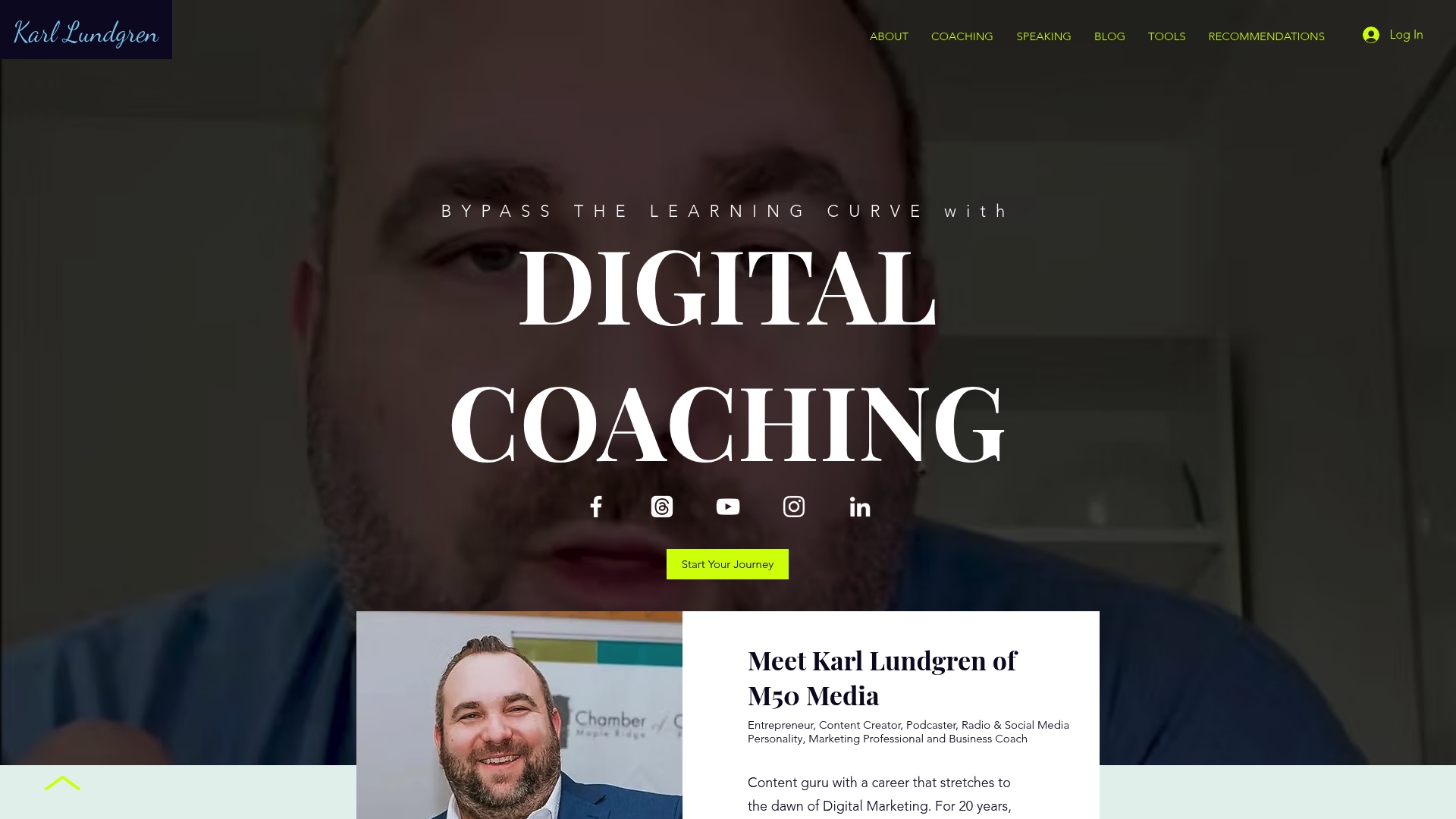
At M50 Media, we help small businesses and entrepreneurs cut through the noise and build marketing strategies that actually work. Whether you’re looking for one-on-one business coaching, hands-on digital coaching tailored to your goals, or the right marketing tools to get the job done, we’ve got you covered. You don’t have to figure out 2026 alone. Let’s map out a plan that fits your business, your budget, and your sanity. 😄
Frequently asked questions
What is Generative Engine Optimization (GEO)?
GEO focuses on creating structured, authoritative content designed to appear in AI-generated summaries and zero-click search results, replacing traditional keyword-focused SEO as the primary visibility strategy. It prioritises trust signals and clear formatting so AI tools can confidently pull your content as a source.
Why are so many searches ending without clicks in 2026?
AI-driven answer engines now provide direct results on search platforms, so users often get their answers without visiting external sites. 69% of searches end this way, making it essential to optimise for the answer itself, not just the ranking.
How can small businesses stand out with all the AI content now?
Small businesses should prioritise building trust, expertise, and a unique brand voice, complemented by E-E-A-T optimisation that signals credibility to both humans and AI tools. Authentic storytelling and real expertise are things AI genuinely can’t replicate.
Is paid advertising still important in 2026?
Absolutely, but integrated strategies combining paid ads with organic content and omnichannel approaches consistently deliver the best results. Paid alone is rarely enough anymore.
Recommended
Comments